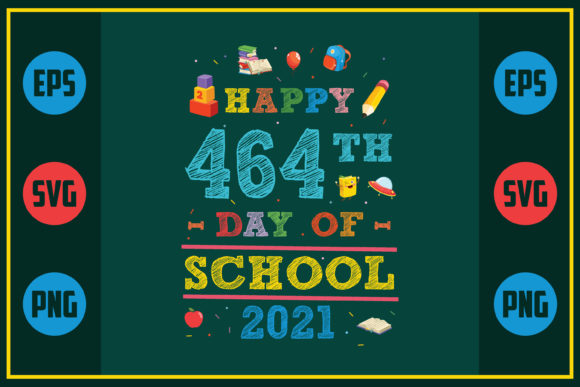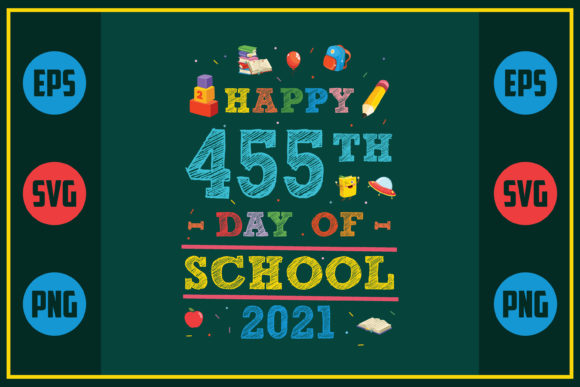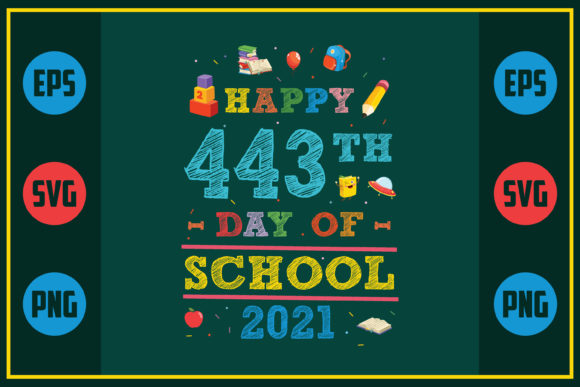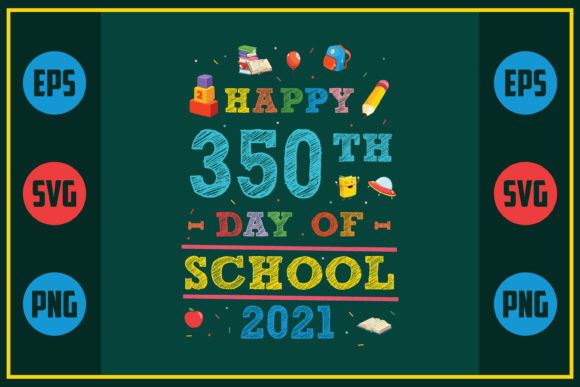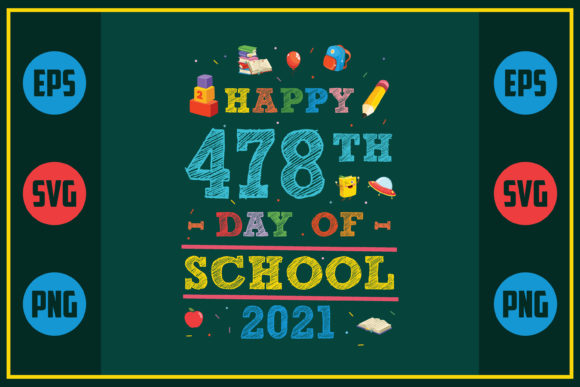
Evaluating the Happy 478th Day of School Embroidery Design
When an embroidery design like Happy 478th Day of School lands in my project folder, my first instinct isn’t to load it straight into the machine. It’s to think about where it will truly shine as a finished product. This design, with its specific celebratory headline, presents a fascinating case study in niche personalization and the craft of turning a digital graphic into a tactile, cherished item.
The First Glance: Charm with a Purpose
The initial impression of Happy 478th Day of School is one of playful recognition. It’s not a generic “Back to School” motif; it’s a precise, almost humorous milestone. This creates an immediate mood of personalized celebration. For an embroidery designer, this means the design’s value lies in its specificity. Its visual personality feels tailored, which is a goldmine for projects targeting parents, teachers, or students wanting to commemorate a very particular school year moment, like 2021. The layout likely centers around that prominent text, which becomes the star of the show.
The Perfect Project Fit: Where This Design Belongs
In practical use, this embroidery file naturally gravitates toward commemorative gifts and personalized merchandise. Imagine a custom sweatshirt for a teacher who just celebrated that exact day with their class, or a tote bag for a proud parent. It would be a standout on a baby’s first-year blanket if they were in a pre-school program, or as a clever patch on a student’s backpack. For small shop owners and Etsy sellers, this design offers a ready-made solution for a highly specific customer request, elevating a simple apparel item into a meaningful keepsake.
Considering Commercial Appeal and Customer Trust
Using a design like this in a craft business speaks directly to buyer engagement. It shows you understand niche occasions, which builds customer trust. The handmade presentation gains value because the design itself is unique; it’s not something you’d find in a generic store. For a boutique selling teacher gifts or personalized family items, incorporating Happy 478th Day of School into a pillow cover or an apron could create a signature product line. The professionalism comes from executing it well—clean stitches, good placement—making the digital asset feel bespoke.
Navigating the Stitching Process: Practical Performance Notes
Embroidery is where the digital meets the physical. On standard projects like a cotton tote or a sturdy sweatshirt, this design should perform cleanly, provided the stitch density is appropriate for the fabric weight. However, its potential reliance on text demands careful attention.
- Small Details are Key: The lettering, especially if it includes smaller elements or decorative accents, needs scrutiny. Testing on scrap fabric first is crucial to ensure clarity, particularly on textured fabrics like canvas or on stretchy materials like t-shirts where distortion can occur.
- Background Matters: Thread color contrast is paramount. On dark fabric backgrounds, a potential lack of a solid fill stitch around the text might require adjusting the design or using a lighter stabilizer to ensure the “478th Day” message pops with stitching clarity.
- Hoop Size and Placement: This isn’t a tiny motif. It likely requires a reasonable hoop size to maintain the integrity of the layout. On curved surfaces like caps, careful positioning is needed to keep the design flat and readable.
Scenarios for Careful Use
There are projects where I’d proceed with extra caution. Thin fabrics without proper stabilizer could lead to puckering, especially if the design has dense areas. Layered garments like hoodies need robust stabilizer to handle the fabric sandwich. Products destined for frequent washing, like kitchen towels or baby clothes, require a durable stitch execution and quality thread to ensure the commemorative message lasts. The design’s success on items like a detailed embroidered patch depends entirely on the machine embroidery file’s construction—clean satin stitches or running stitch outlines will make all the difference.
The Designer’s Checklist Before Hooping Up
Before I commit this to a client’s custom apparel or my own small shop merchandise, my workflow includes a few non-negotiable steps.
- Scrap Fabric Test: Always. This reveals everything about stitch density, thread tension, and how small details translate.
- Color and Contrast Review: I test the design in digital black and white mockups and plan real thread colors for both light and dark fabric backgrounds.
- Hoop and Stabilizer Confirmation: Matching the design size to a suitable hoop and selecting the right stabilizer for the final product’s fabric texture is foundational.
- Licensing Verification: The product description states it’s a digital download for personal use with certain software. For any commercial embroidery project—selling finished tote bags or patches—I must confirm the licensing terms explicitly allow commercial use of the finished product. This is a critical step for any craft business or Etsy seller.
Final Thoughts on Real-World Application
Happy 478th Day of School is more than a graphic; it’s a concept. Its real-world value is unlocked by pairing it with the right product and executing the embroidery with care. It won’t be a mass-market bestseller, but for the right customer, it’s a perfect, personalized gift. As a designer, I see its strength in creating connection—a specific memory etched in thread. Whether applied to a holiday gift for a teacher, a boutique’s limited-run pillow, or a personalized gift for a student, its success hinges on that thoughtful application. The craftsmanship in the stitching—clean, crisp, and durable—will ultimately determine if this niche digital asset becomes a beloved finished product.