Happy 265th Day of School: A Designer’s Embroidery Review
First Impressions: More Than Just a Number
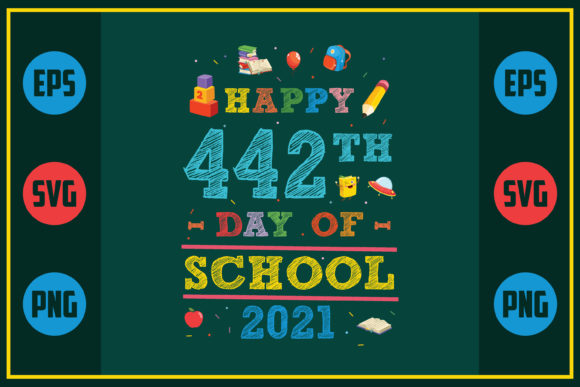
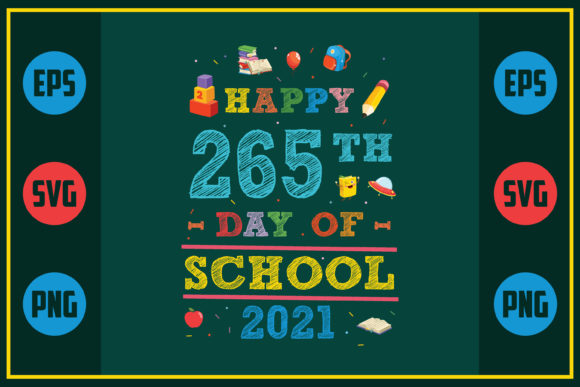
When I first opened Happy 265th Day of School 2021, I was struck by its specific charm. This isn’t a generic celebratory motif; it’s a precise, playful nod to a milestone deep in the academic year. The mood it creates is one of recognition and personal achievement. The layout, with the prominent number and the accompanying celebratory text, feels balanced and ready to stitch. The visual personality is friendly and bold—it’s a design that announces itself without being overwhelming. It naturally belongs to projects meant for a specific recipient, a teacher, a student, or a school staff member who appreciates that unique, mid-year accomplishment.
Where This Design Finds Its Perfect Home
In my studio, I immediately pictured this on a custom embroidered sweatshirt for a teacher. It’s the kind of personalized gift that feels thoughtful because of its specificity. For a craft business or Etsy seller, this design translates beautifully into a range of products. A tote bag for carrying lesson plans, a crisp apron for classroom art projects, or a decorative pillow cover for a teacher’s lounge all make excellent candidates. As a small shop product, it offers a niche appeal that can attract customers looking for something beyond generic “Back to School” items.
Consider it for baby embroidery on a little one’s “first school year” blanket, or as an embroidered patch sewn onto a backpack. The design’s clear, celebratory message makes it a strong contender for holiday embroidery gifts—think a Thanksgiving present for an educator. In commercial embroidery contexts, like boutique-branded merchandise for a school district, it adds a touch of handmade warmth and recognition.
Performance on the Hoop: Practical Stitching Considerations
Moving from the screen to the fabric is where a design truly proves its worth. For Happy 265th Day of School 2021, its performance hinges on clarity. The large number “265” is likely the focal point, and depending on the stitch density in the provided embroidery file, it should stitch out with solid, clean fills. I would advise testing it on scrap fabric first—always a crucial step. This allows you to check thread color contrast and see how the smaller text, presumably “Day of School 2021,” handles. Tiny lettering can sometimes get lost or become blurry if the running stitch or satin stitch details are too fine.
Scenarios That Demand a Careful Approach
This design should be used carefully on very small hoop sizes. Compressing all that text and a large number into a 3-inch hoop could compromise detail integrity. Similarly, on highly textured fabrics like certain towels or on stretchy fabrics like t-shirts, using the proper stabilizer is non-optional to prevent puckering. Embroidering on dark fabric will require you to think about thread choices—will lighter colors pop effectively, or might you need a slightly different palette for optimal visibility?
Applying it to curved surfaces, like a cap, requires attention to placement so the design doesn’t warp around the curve. Also, for products that need frequent washing, like kitchen towels or baby clothes, reviewing the stitch density is important. overly dense areas can make fabric stiff and less durable over many washes.
The Impact on Your Project and Your Customer
From a professional standpoint, how a design stitches out directly affects visual appeal, customer trust, and perceived product value. A clean, well-executed stitch of this design conveys professionalism. It tells your client or gift recipient that care was taken. For a handmade product, this enhances giftability and buyer engagement—it feels special because it looks expertly made.
For creative entrepreneurs selling finished items, this design can contribute to brand consistency if you specialize in school or celebratory themes. Its niche nature aids in recognition; someone seeing it knows exactly what it commemorates. In digital product previews and printable mockups for those selling the file itself, showcasing it on a realistic background—like a mockup of a sweatshirt or tote—demonstrates its practical application beautifully.
A Real-Life Studio Scenario
Let’s walk through a typical use case. I’m preparing a custom order for an embroidered canvas tote bag as a end-of-November gift for a principal. I load Happy 265th Day of School 2021. After testing on similar canvas scrap, I confirm the stitch details are clear. I choose a vibrant, cheerful thread palette. The final stitched bag has a bold, readable design. The client’s reaction isn’t just “nice bag”—it’s “Wow, you captured that exact day!” That’s the power of a specific, well-executed embroidery design. It transforms a generic crafts item into a personalized story.
Essential Designer Notes Before You Stitch
Before committing this design to a final project, here are my practical, always-relevant steps:
- Test on scrap fabric first. This is your safety net.
- Check the thread color contrast against your final project’s fabric color. A quick stitch-out in a light and dark background mockup in your software can help visualize this.
- Review the design’s detail level in your embroidery software. Inspect the small details and corners to anticipate any stitching challenges.
- Confirm the appropriate hoop size for your machine and project. Don’t force a design into a too-small hoop.
- Use proper stabilizer for your chosen fabric type. This is critical for stitching clarity.
- Since the product description notes it’s a digital download with an SVG file, remember this is a digital embroidery file. You will need to use it with your machine’s software. Ensure compatibility for your workflow.
- Finally, and vitally, confirm the licensing terms before using it for commercial projects or selling finished items. The product information provided does not specify license details, so checking with the seller is a necessary step to protect your craft business.
Final Thoughts on a Niche Gem
Happy 265th Day of School 2021 is a compelling example of a niche graphics asset with clear practical application. It’s not for every project, but for the ones it fits, it shines. Its value lies in its specificity. For the designer, it requires a mindful approach to fabrication and stitching setup to ensure its cheerful message comes through crisp and clean. For the maker or seller, it offers a point of differentiation—a way to create a personalized gift or small shop merchandise that feels uniquely considered. When stitched with care onto the right product, it moves from being just a file to being a meaningful, tangible celebration.